Key points
- AI search acquisition means prospects asking ChatGPT, Perplexity or Google AI Overviews can see and click through to your site, and then enquire.
- Start from questions customers really ask, not keywords expanded by AI.
- Fix pages based on evidence: can they be read, do they answer directly, are facts sourced.
- Measure separately: brand mentions, page citations, AI visits, enquiries and closed deals are five different results.
What AI search acquisition is
AI search marketing means providing readable, citable content for the questions buyers ask AI tools, so your brand appears in answers and earns visits. It shares foundations with SEO: pages must be crawlable and indexed and must answer the question. According to Google's AI features guidance, appearing in AI Overviews requires no special optimisation beyond normal SEO best practices.
The difference is the shape of the result: an AI answer may mention your brand without a link, or link without a click. Rankings alone cannot show the outcome.
❌ Common mistake: "feeding" AI with keyword stuffing and mass-produced posts. ✅ Better approach: write a clear answer to a specific question, backed by verifiable first-party product information and sources.
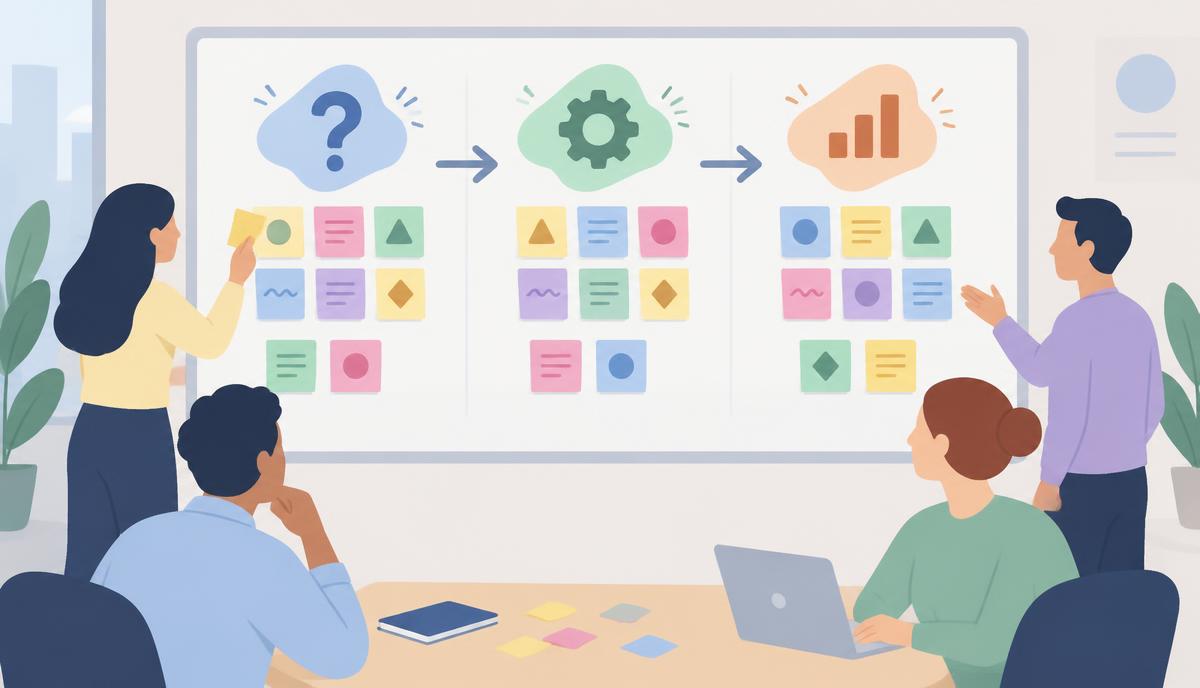
Step 1: Find the questions customers ask AI
Sources, from most to least reliable:
- Real queries in Search Console, especially question queries with impressions but few clicks;
- Questions that come up repeatedly in sales and support conversations;
- Real questions from similar buyers in forums, Reddit and Q&A communities;
- Keyword tool estimates, used for topic ideas only, not as measured demand.
Group questions by purpose: learning a concept, comparing options, finding a supplier, fixing a problem. Each needs a different page type—concept questions suit blog posts, supplier questions belong on product or service pages.
Step 2: Fix the site based on evidence
Check first, then decide what to change:
- Readable: Does robots.txt allow search crawlers such as OAI-SearchBot and PerplexityBot (see OpenAI's crawler overview)? Is the main content in server-rendered HTML? Is the page indexed by Google?
- Direct answer: Does the first paragraph answer the question? Does the heading use the customer's wording?
- Sourced facts: Write prices, specs, certifications and cases only from your own site or customer-confirmed material; leave out what you do not have instead of letting a model fill it in.
- Complete display: Use descriptive image alt text; to allow large previews in Discover, set max-image-preview:large per Google Discover documentation.
Change one page at a time, keep the original and the change date, and re-check at D+14 and D+28.
Step 3: Track results separately
| Result | Evidence | Not the same as | |---|---|---| | Brand mention | Saved prompt, date, engine and original answer | A page citation | | Page citation | Your URL appears in the answer | A click | | AI visit | Sessions from chatgpt.com, perplexity.ai, etc. in analytics | All direct traffic | | Enquiry | Form submits, WhatsApp/email clicks | A qualified lead | | Closed deal | Order confirmed by the business | Enquiry count |
AI answers vary by time, region and account, so one re-test without a mention does not disprove earlier records. Mark untested engines as "not observed", not zero.
23SEOGEO supports this path: citation tracking saves the question, engine, date and answer; AI traffic tracking separates AI-platform visits from enquiries; the GEO Authority Score diagnoses page readiness and does not represent actual citation rate or acquisition results. For setup details, see the AI traffic tracking guide.
FAQ
How does AI search acquisition relate to SEO?
They share foundations: crawlable, indexed pages that answer questions. AI search acquisition additionally checks whether the brand appears in AI answers and whether that brings visits and enquiries.
How do I check whether my brand appears in ChatGPT answers?
Ask a fixed set of real questions on a schedule, save the original answers and source links, and record mentions and citations separately.
How long until results show?
There is no fixed timeline. Re-check at D+14 and D+28 with the same questions and the same measurement rules.
Official sources and author
- Google: AI features and your website
- OpenAI: Overview of OpenAI Crawlers
- Google: Discover and max-image-preview
Sources checked on 2026-11-06; this is our verification date, not the publication date of the documents. The three steps and table are working examples, not client cases or promised results; images are editorial illustrations.
Author: Misa, SEO article writer; published by the 23SEOGEO team. See the author profile at the top of the article.